Ants Flies & Lawn Pests
Ants
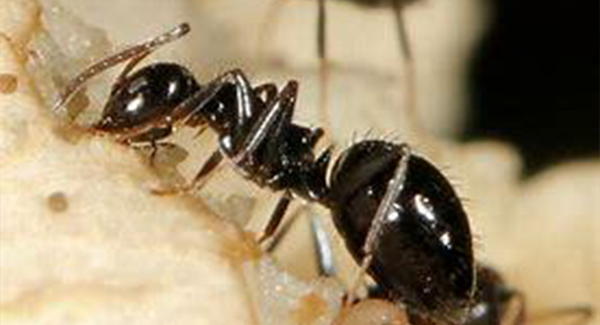
Pavement Ant
Tetramorium immigrans—also known as the immigrant pavement ant, pavement ant, and the sugar ant in parts of North America—is an ant native to Europe, which also occurs as an introduced pest in North America. Its common name comes from the fact that colonies in North America usually make their nests under pavement.
Scientific name: Tetramorium caespitum
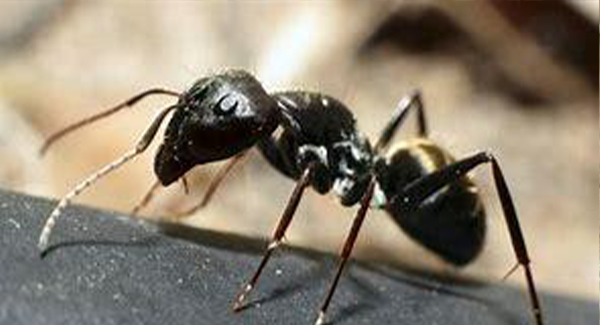
Banded Sugar Ants
African black sugar ants are a shiny dark brown ant about 2–3 mm in length. The ants are covered in thick blackish bristles and there is a pronounced spine between the thorax and abdomen (these features are only visible under a hand lens or microscope).
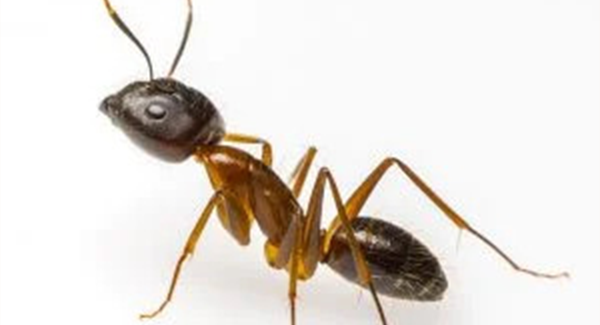
Coastal Brown Ant
Coastal Brown Ant Nests mainly in soil and builds along pathways, in gardens, against walls, under houses, and if in large enough numbers can cause damage to lawns. They prefer sunny, dry areas to nest but will nest above ground if the soil is available.
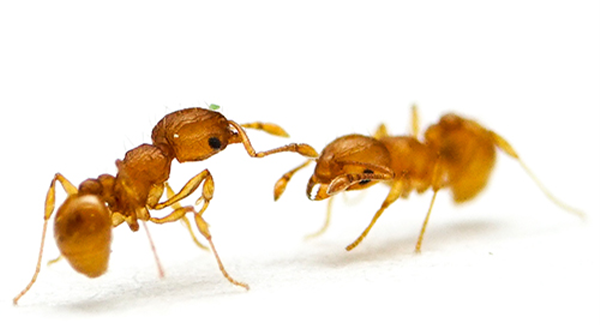
Fire Ant
A typical Fire Ant colony produces large mounds in open areas and feeds mostly on young plants, seeds, and sometimes crickets.
Flies
Drain Fly
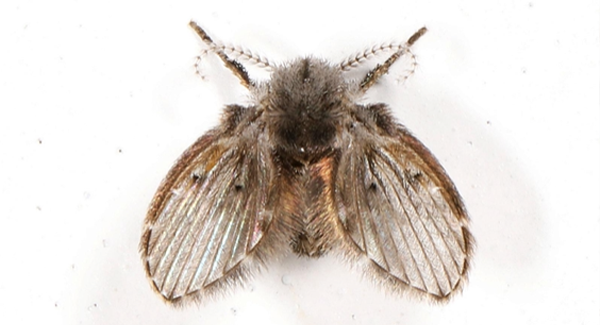
Drain flies are small with short, hairy bodies and wings giving them a “furry” moth-like appearance, hence one of their common names, moth Drain flies sometimes inhabit plumbing drains and sewage systems, where they are a harmless but persistent annoyance.
House Fly
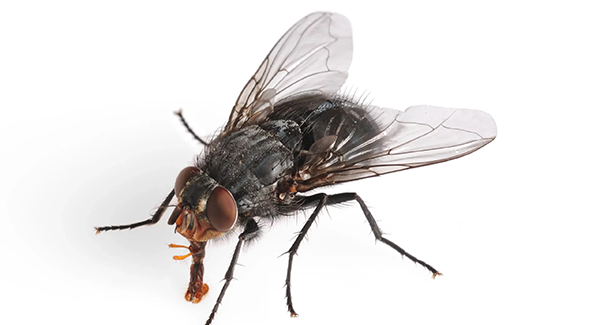
The House Fly is the most common fly species found in houses. Adults are grey to black, with four dark, longitudinal lines on the thorax, slightly hairy bodies, and a single pair of membranous wings. They have red eyes, set farther apart in the slightly larger female.
Flesh Fly
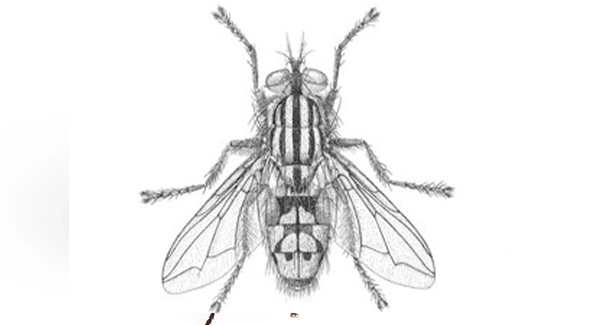
Flesh Fly have been known to burrow from wounds into the healthy flesh of livestock. Some species can cause intestinal infections in humans who consume food contaminated with flesh fly larvae. The pests can transmit organisms they pick up at their unsanitary feeding sites.
Blow & Bottle Flies
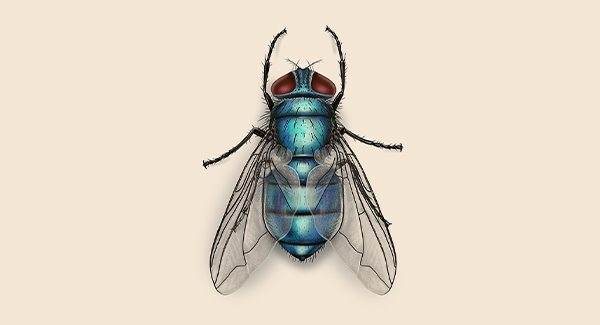
Blow and Bottle Flies are found worldwide, occurring nearly every place inhabited by people. The name blow fly comes from the bloated condition of the rotting animal carcasses that their larvae, known as maggots, infest. Blowflies are one of the most common flies found around dead animals.
Lawn Pests
Mole Crickets
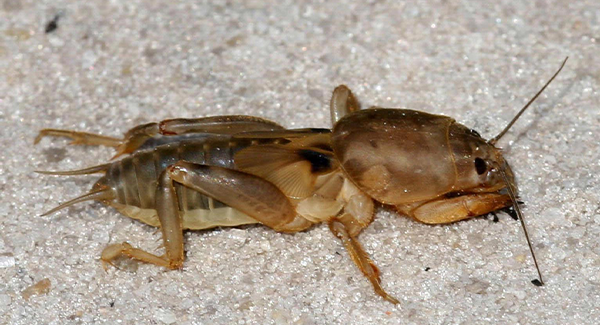
Mole crickets are members of the insect family Gryllotalpidae, in the order Orthoptera. Mole crickets are cylindrical-bodied, fossorial insects about 3–5 cm long as adults, with small eyes and shovel-like fore limbs highly developed for burrowing.
Scientific name: Gryllotalpidae
Black Crickets
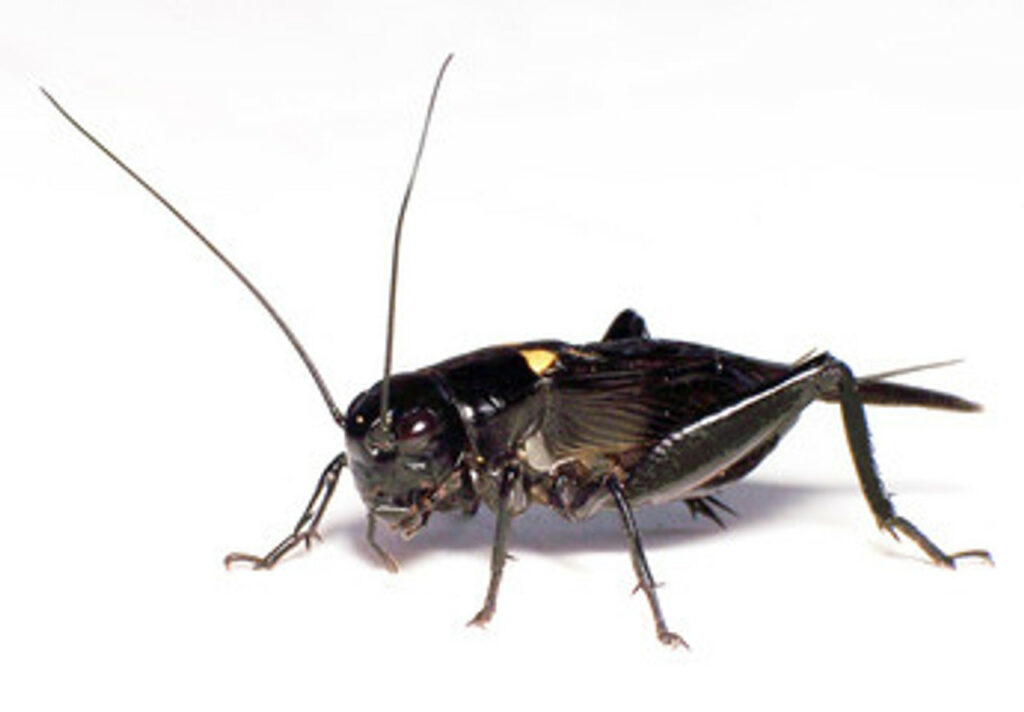
Crickets have mainly cylindrically shaped bodies, round heads, and long antennae. Behind the head is a smooth, robust pronotum. The abdomen ends in a pair of long cerci; females have a long, cylindrical ovipositor. Diagnostic features include legs with 3-segmented tarsi; as with many Orthoptera, the hind legs have enlarged femora, providing power for jumping. The front wings are adapted as tough, leathery elytra, and some crickets chirp by rubbing parts of these together. The hind wings are membranous and folded when not in use for flight; many species, however, are flightless. The largest members of the family are the bull crickets, Brachytrupes, which are up to 5 cm (2 in) long.