RODENTS & COCKROACHES

The Risks of Rodent & Cockroach Infestations

Rodents and cockroaches pose significant health and hygiene risks in residential, commercial and industrial environments. These pests can contaminate food, surfaces and storage areas, potentially spreading harmful bacteria and other pathogens.

The Damage They Can Cause

Rodents are known to gnaw through electrical wiring, insulation, packaging and building materials, potentially causing costly damage and increasing fire risks. Cockroaches can contaminate food and surfaces, while their droppings and shed skins may trigger allergies and aggravate asthma.

Common Signs of an Infestation

Early warning signs include droppings, gnaw marks, damaged food packaging, unusual odours and scratching noises within walls or ceilings. Cockroach activity may also be identified through egg cases, shed skins and sightings in warm, dark or damp areas.

The Importance of Early Detection & Prevention

Rodents and cockroaches can reproduce rapidly, allowing small infestations to develop into larger problems. Identifying pest activity early, maintaining good hygiene and addressing potential entry points are essential steps in reducing infestation risks and protecting properties.

TYPES OF Cockroaches

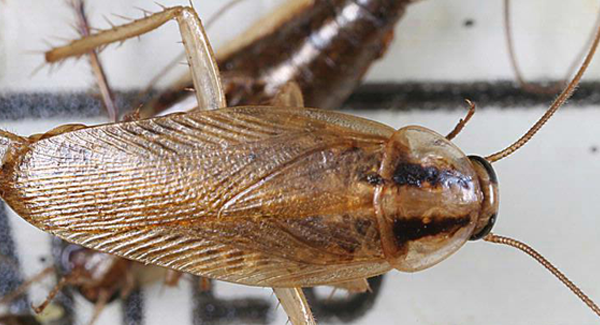
German Cockroach

The German cockroach, colloquially known as the croton bug, is a species of small cockroach, typically about 1.1 to 1.6 cm long. In color it varies from tan to almost black, and it has two dark, roughly parallel, streaks on the pronotum running anteroposteriorly from behind the head to the base of the wings Scientific name: Blattella germanica
American Cockroach

Blattidae is a cockroach family in the order Blattodea containing several of the most common household cockroaches. 

Scientific name: Blattidae

Family: Blattidae; Latreille, 1810

Kingdom: Animalia

TYPES OF Rodents

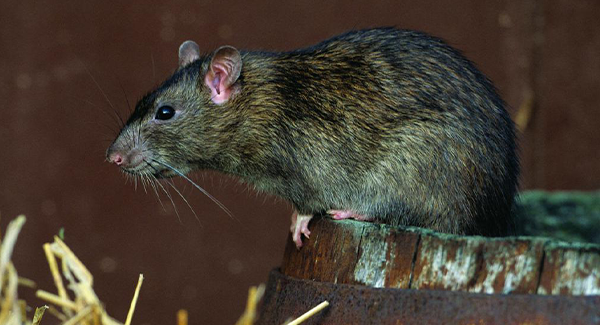
Roof/black rat

The black rat, also known as the roof rat, ship rat, or house rat, is a common long-tailed rodent of the stereotypical rat genus Rattus, in the subfamily Murinae. It likely originated in the Indian subcontinent, but is now found worldwide. The black rat is black to light brown in colour with a lighter underside. 

Mass: 75 – 230 g (Adult)

Lifespan: 12 months (In the wild)

Scientific name: Rattus rattus

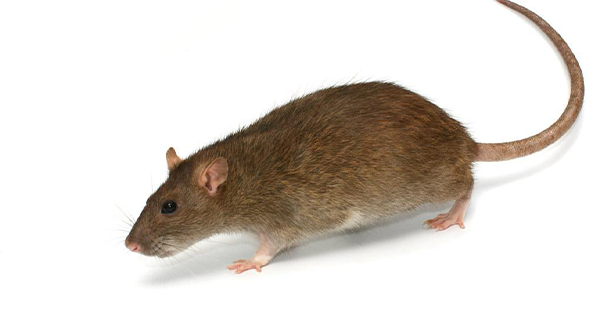
Norway Rat

The brown rat, also known as the common rat, street rat, sewer rat, wharf rat, Hanover rat, Norway rat and Norwegian rat, is a widespread species of common rat. One of the largest muroids, it is a brown or grey rodent with a head and body length of up to 28 cm long, and a tail slightly shorter than that. 

Lifespan: 2 years (In the wild)

Scientific name: Rattus norvegicus

Mass: 140 – 500 g (Adult)

Gestation period: 21 – 24 days

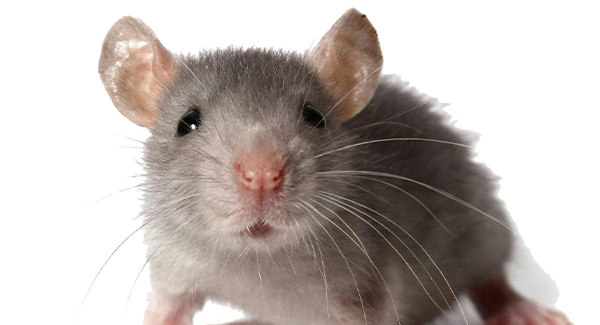
House Mouse

The house mouse is a small mammal of the order Rodentia, characteristically having a pointed snout, large rounded ears, and a long and almost hairless tail. It is one of the most abundant species of the genus Mus.

Scientific name: Mus musculus

Gestation period: 20 days 

Mass: 12 – 30 g (Adult)

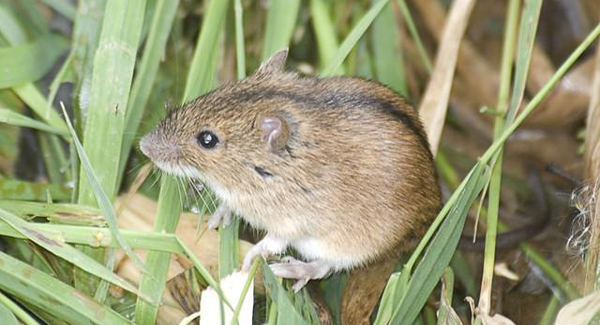
Field Mice

Rhabdomys is a largely Southern African genus of muroid rodents slightly larger than house mice. They are known variously as striped or four-striped mice or rats.